


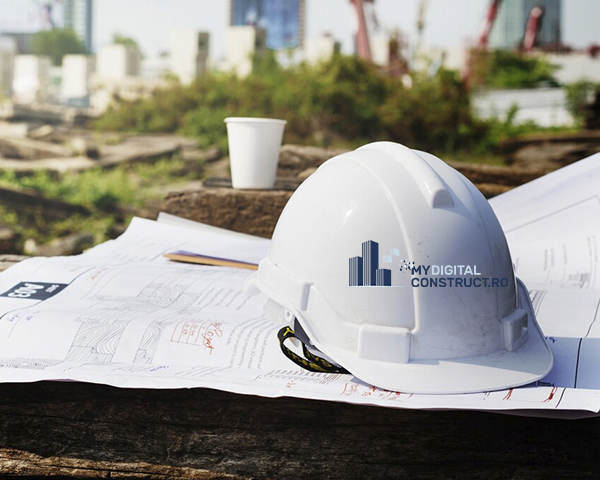
Construction engineering services are essential for the planning, design, construction, and maintenance of infrastructure and buildings. These services are highly diverse, covering multiple stages and specializations, and involve collaboration between engineers, architects, workers, and other specialists to ensure the creation of safe, efficient, and durable structures. Below are some of the most common services in the field of construction engineering:
- Structural Design
This is the fundamental stage of any construction project. Structural engineers analyze and calculate the loads and pressures that structures will be subjected to, ensuring the stability, safety, and durability of the building. Using advanced software, engineers model the structure and perform strength and behavior analyses against external factors such as earthquakes and extreme weather conditions. - Construction Management
This involves coordinating the entire construction process, from planning to completion, to ensure deadlines and budgets are met. Construction managers handle all resources—materials, labor teams, equipment—and ensure that each stage of construction complies with specifications and regulations. - Geotechnical Services
These services are critical for foundation stability. Geotechnical engineers study the soil and underground conditions to determine suitable construction methods and select the necessary foundation type. Geotechnical services include soil testing and drilling, assessing potential landslide risks, and evaluating soil behavior in the event of earthquakes. - Mechanical, Electrical, and Plumbing (MEP) Engineering
This stage includes the design of heating, ventilation, and air conditioning (HVAC) systems, plumbing, electrical systems, gas supply, and safety systems. Specialized MEP engineers ensure that all equipment and systems are functional, energy-efficient, and safe for users. - Surveying and Geospatial Services
Surveyors are responsible for accurate land measurements and the creation of construction maps. Today, geospatial services, including LiDAR scanning and 3D mapping, provide detailed information about the terrain and are highly useful for complex construction projects, enabling quick and efficient environmental assessments. - Energy Assessment and Certification
Energy evaluation and certification are essential for improving a building’s energy efficiency. These services include analyzing the building’s energy performance, recommending improvements and optimizations, and issuing energy certificates, particularly for sustainable and eco-friendly projects. - Sustainability and Green Design Consulting
Sustainability has become a key focus in construction engineering. Specialized consultants provide guidance on reducing the environmental impact of construction, including the use of eco-friendly materials, waste management, and the implementation of energy-saving solutions, contributing to the development of sustainable and green buildings. - Quality Control and Technical Inspection
These services ensure compliance with construction standards and regulations. Engineers check materials and construction processes, ensuring all stages meet safety and quality norms. Technical inspections are carried out both during construction and upon completion. - Maintenance and Structural Rehabilitation
For existing buildings, engineers provide maintenance services and periodic structural assessments. In cases of wear or damage, they recommend rehabilitation solutions to extend the building’s lifespan and improve its safety.
Construction engineering services play a vital role in developing safe, efficient, and sustainable structures, supporting infrastructure growth and urban development for the benefit of the community.
